
The Evolution of Outdoor Digital Signage: From Static Billboards to Interactive LCD Displays
Outdoor digital signage has come a long way from the traditional, static billboards that once dotted our cities. The journey from simple, non-interactive advertisements to today’s cutting-edge interactive LCD displays has revolutionized the advertising industry. With advances in technology, this shift is not just about display quality; it’s about changing the way advertisers engage with their audiences. Let’s explore this transformation in more detail and look at the exciting future ahead for outdoor digital signage.

1. The Era of Static Billboards: Limited Engagement, Massive Reach
For decades, static billboards were the go-to solution for outdoor advertising. These large, printed signs could reach thousands, but the message was static. Advertisers had to rely on eye-catching visuals and simple, bold messages to capture attention. While billboards were effective in high-traffic areas, they lacked the ability to interact with consumers or provide real-time updates.
2. The Digital Transformation: Moving to LED and LCD Displays
With the introduction of LED and LCD technology in the late 2000s, outdoor signage took a significant leap forward. The ability to display dynamic content allowed advertisers to show a wider range of messages, and the technology provided brighter, more vibrant visuals. LCD screens, in particular, offered better resolution and sharper images than LED-based signs, making them ideal for high-traffic locations like malls, airports, and city streets.
This period also marked the beginning of digital billboards that could rotate between multiple ads, creating more opportunities for advertisers to maximize exposure. The focus shifted from static displays to dynamic and real-time content.
3. The Rise of Interactivity: Engaging Consumers Like Never Before
As LCD technology continued to improve, a major shift occurred. Outdoor digital signage was no longer limited to passive displays. Interactive LCD screens began to make their mark in public spaces, offering real-time, consumer-driven engagement.
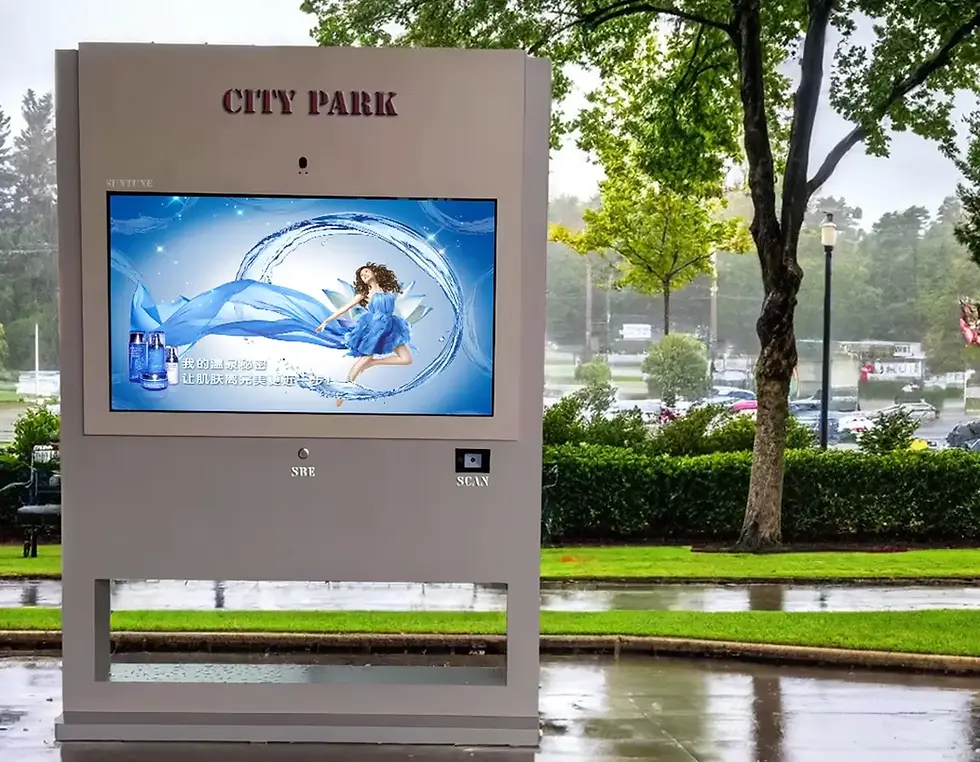
For example, interactive kiosks in shopping malls, transit stations, and public squares allowed users to interact with advertisements, get directions, or find information on local services. By integrating touchscreens and sensors, these displays opened up new possibilities for marketing campaigns, engaging consumers in a way that traditional billboards could not.
SUNTUNE SignageHub has been a key player in pushing the boundaries of interactivity with their high-quality LCD screens, enabling brands to deliver customized messages and real-time content. The shift towards interactivity has made outdoor digital signage an essential tool in providing valuable consumer experiences.
4. Data-Driven Signage: Real-Time Content for Targeted Advertising
With the integration of advanced analytics and cloud-based platforms, outdoor digital signage has become smarter. Advertisers can now leverage real-time data to tailor content based on factors like time of day, weather, location, and even audience demographics. This data-driven approach makes it possible to target specific customer segments with relevant, context-aware content.
For example, a digital display in a shopping center can show promotions for sunglasses on a sunny day or feature special discounts on warm clothing during colder weather. These adaptive digital billboards are capable of responding instantly to changes in the environment, enhancing the relevance and impact of the advertisement.
5. The Future of Outdoor Digital Signage: A Smart and Interactive Experience
The future of outdoor digital signage looks incredibly promising. The next phase in the evolution will be heavily influenced by advancements in artificial intelligence (AI), augmented reality (AR), and Internet of Things (IoT) technology. We can expect even more personalized, immersive, and real-time experiences for consumers.
Imagine walking by an outdoor LCD display that recognizes your presence, reads your preferences, and offers you personalized ads or promotions based on your behavior or interests. With the integration of facial recognition, AI, and geolocation technologies, interactive outdoor signage will become more intuitive, providing tailored content for each individual.
A New Era of Advertising
The evolution of outdoor digital signage, from static billboards to interactive LCD displays, has reshaped the way brands connect with consumers. As technology continues to evolve, advertisers will have more opportunities to engage their audience in ways that were once unimaginable. Interactive signage, real-time content updates, and data-driven campaigns are just the beginning of what’s to come. With innovation at its core, outdoor digital signage is paving the way for smarter, more effective advertising in public spaces.
By adopting new technologies like interactive LCD displays, outdoor digital signage is no longer a one-way communication channel but a dynamic, engaging platform for brands to connect with consumers in real-time.


Comments