
How Thermal Management Improves Energy Efficiency in Outdoor Displays

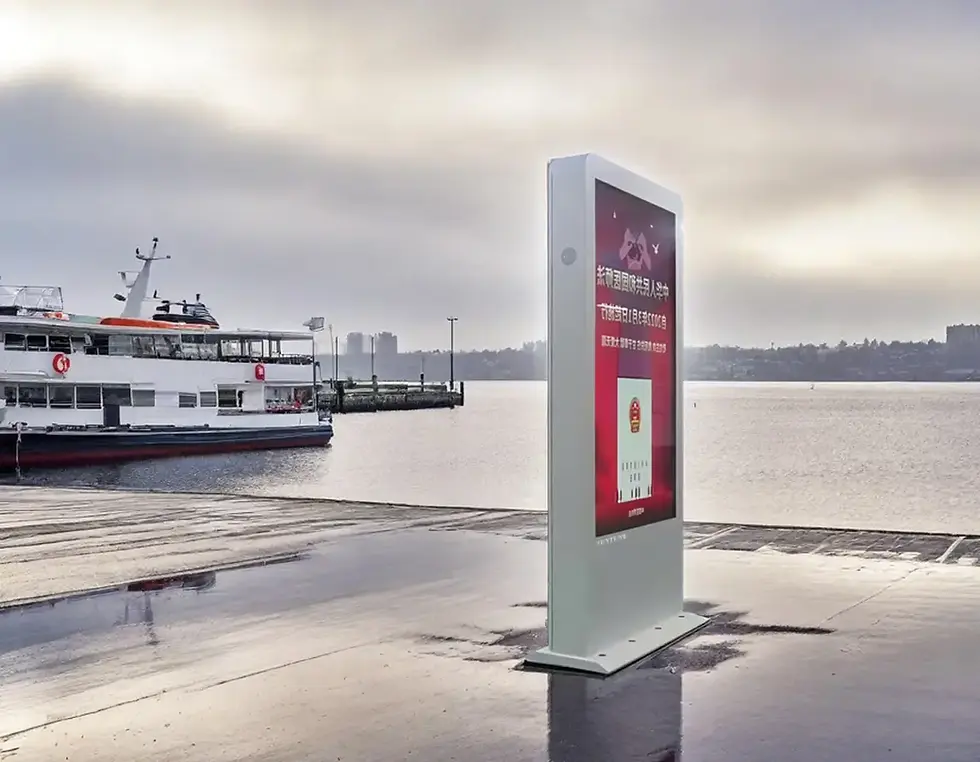
Outdoor digital signage has become an essential communication and advertising platform in modern cities. From transportation hubs and shopping districts to stadiums and tourist destinations, high-brightness screens operate continuously under intense sunlight and varying weather conditions. In such demanding environments, thermal management energy efficiency outdoor displays strategies play a critical role in ensuring both performance and operational cost control.
Without proper heat management, outdoor LCD displays may experience higher energy consumption, reduced brightness stability, and shorter component lifespan. Effective thermal engineering not only protects the display hardware but also significantly improves energy efficiency.
Why Heat Is a Major Challenge for Outdoor Displays
Outdoor LCD displays typically operate at brightness levels ranging from 1500 to 3500 nits, far higher than indoor screens. While this brightness ensures visibility in direct sunlight, it also generates substantial heat within the display enclosure.
Common heat sources include:
LCD backlight systems
internal power supplies
media players and control boards
direct solar radiation on the enclosure
If this heat accumulates, internal temperatures can rise rapidly, forcing cooling systems to work harder and consume more energy.
This is why thermal management energy efficiency outdoor displays design has become a core engineering focus for modern outdoor signage systems.
How Thermal Management Directly Improves Energy Efficiency
1. Reducing Cooling System Power Consumption
Poorly designed displays rely heavily on powerful fans or air conditioning modules to remove heat. These active cooling solutions significantly increase electricity consumption.
Advanced thermal management systems reduce this dependency by:
optimizing airflow channels
improving heat dissipation materials
isolating heat-generating components
With better heat flow, cooling systems operate less frequently, reducing overall energy usage.
2. Maintaining Optimal Operating Temperatures
Electronic components operate most efficiently within specific temperature ranges. When temperatures rise above these levels, electrical resistance increases and components draw more power.
By maintaining stable internal temperatures, thermal management energy efficiency outdoor displays systems allow components such as LED backlights and power supplies to operate more efficiently.
This results in:
lower power consumption
improved brightness stability
longer hardware lifespan
3. Improving Backlight Efficiency
The backlight system is the largest energy consumer in an outdoor LCD display. High temperatures can reduce backlight efficiency and cause brightness degradation over time.
Advanced cooling solutions protect the backlight system by:
dissipating heat away from LED modules
preventing localized hot spots
maintaining stable luminance output
As a result, the display can maintain brightness without increasing power usage.
4. Supporting Intelligent Temperature Control
Modern outdoor displays integrate sensors and control algorithms that continuously monitor internal temperature.
These systems can automatically:
adjust fan speeds
regulate brightness levels
activate cooling mechanisms only when needed
This intelligent approach ensures that thermal management energy efficiency outdoor displays operate efficiently while minimizing unnecessary energy consumption.
Engineering Approaches to Thermal Management
Several engineering strategies are commonly used in advanced outdoor LCD designs.
Passive Cooling Design
Passive cooling relies on structural design rather than mechanical systems.
Examples include:
aluminum heat sinks
thermally conductive enclosures
optimized ventilation paths
Passive cooling reduces energy consumption because it requires no electrical power.
Active Cooling Systems
Active cooling involves mechanical components such as:
high-efficiency fans
temperature-controlled ventilation
heat exchangers
These systems are carefully engineered to maximize airflow while minimizing energy usage.
Hybrid Cooling Architecture
Many modern outdoor displays use a combination of passive and active cooling.
This hybrid approach balances:
performance
reliability
energy efficiency
It is particularly effective for high-brightness displays installed in hot climates.
Long-Term Benefits of Efficient Thermal Design
When implemented correctly, thermal management energy efficiency outdoor displays solutions deliver multiple operational benefits.
Lower Electricity Costs
Improved cooling efficiency reduces power consumption for both the display and the cooling system.
Longer Display Lifespan
Stable temperatures prevent overheating and extend the life of critical components.
Improved Reliability
Displays maintain consistent performance even during extreme weather conditions.
Reduced Maintenance
Optimized thermal design decreases the likelihood of overheating failures and cooling system breakdowns.
The Role of Engineering Expertise
Thermal management is not simply about adding fans or ventilation openings. It requires careful engineering analysis, including airflow modeling, heat distribution studies, and environmental testing.
At SUNTUNE SignageHub, outdoor LCD display systems are designed with optimized thermal structures that maintain stable performance while minimizing power consumption. By combining advanced cooling strategies with durable outdoor enclosures, these solutions help ensure reliable operation across a wide range of environmental conditions.
Final Thoughts
As outdoor digital signage networks continue to expand, energy efficiency has become a critical factor for both operators and advertisers. Effective thermal management energy efficiency outdoor displays strategies not only reduce operational costs but also protect display hardware and improve long-term reliability.
By integrating intelligent cooling systems, optimized airflow design, and durable engineering materials, modern outdoor LCD displays can deliver high brightness and consistent performance while maintaining efficient energy usage.
For organizations investing in outdoor digital signage, choosing displays with advanced thermal management is one of the most important decisions for achieving sustainable and reliable operation.


Comments