
Total Cost of Ownership for Outdoor LCD Systems: The Hidden Factors Behind Long-Term ROI
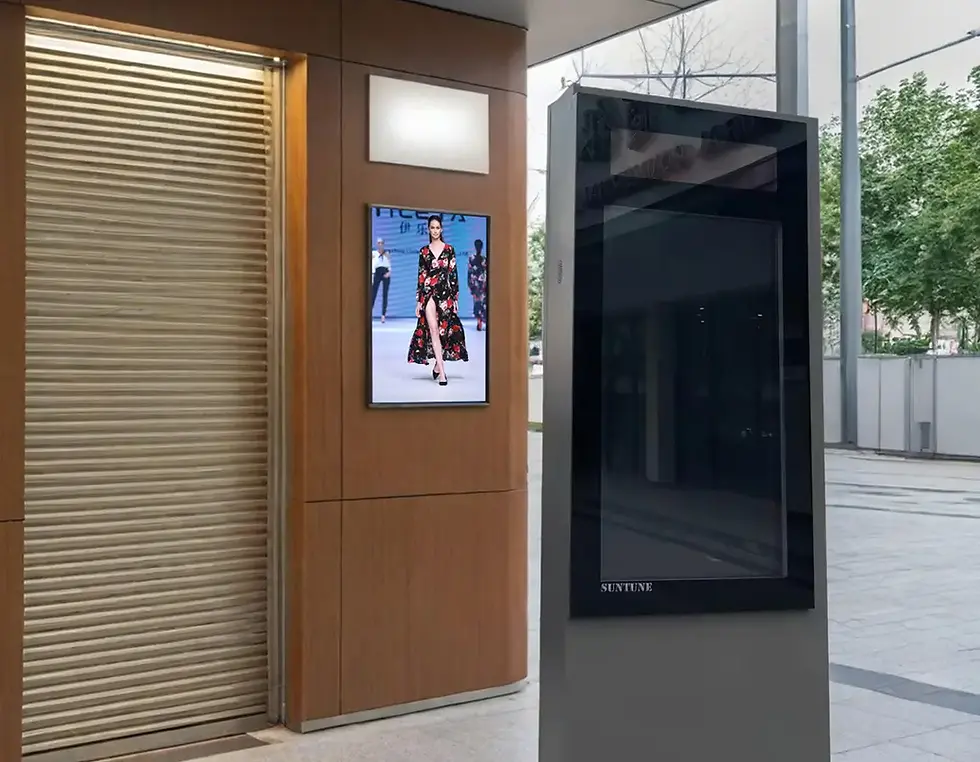
When evaluating outdoor digital signage projects, many organizations focus primarily on the purchase price of the display itself. While upfront hardware costs are certainly important, they represent only a portion of the overall investment. The true financial picture emerges when considering the total cost of ownership for outdoor LCD systems over their entire operational lifecycle.
Whether deploying outdoor advertising networks, transportation displays, retail storefront screens, smart city kiosks, or public information systems, understanding long-term ownership costs helps organizations make more informed decisions and maximize return on investment.
A lower-priced display may appear attractive initially, but hidden expenses associated with energy consumption, maintenance, downtime, and replacement cycles can significantly increase total ownership costs over time.
Understanding Total Cost of Ownership in Outdoor Digital Signage
The total cost of ownership for outdoor LCD systems refers to all expenses incurred throughout the lifespan of the display, not simply the purchase price.
These costs typically include:
Hardware acquisition
Installation and infrastructure
Energy consumption
Network connectivity
Maintenance and servicing
Component replacement
Content management
Operational downtime
End-of-life replacement
For organizations planning multi-year digital signage deployments, these factors often have a greater impact on overall project economics than the initial hardware investment.
Hardware Costs Are Only the Beginning
The display itself remains one of the largest capital expenditures in any outdoor signage project. High brightness LCD panels, weatherproof enclosures, cooling systems, protective glass, media players, and mounting structures all contribute to the initial investment.
However, focusing solely on acquisition costs can be misleading.
Higher-quality outdoor LCD systems often utilize industrial-grade components, superior thermal management, and advanced environmental protection. While these systems may carry a higher purchase price, they frequently deliver longer service life, lower maintenance requirements, and reduced operational interruptions.
Over several years of operation, premium equipment often proves more economical than lower-cost alternatives that require frequent repairs or replacement.
Installation and Infrastructure Expenses
Outdoor LCD deployments require supporting infrastructure that can significantly influence project budgets.
Site preparation may include:
Electrical upgrades
Concrete foundations
Structural supports
Network connectivity
Cable routing
Permitting and compliance requirements
For freestanding outdoor kiosks and large-format displays, installation costs can represent a substantial portion of the total project investment.
Organizations should evaluate these expenses early in the planning process to avoid unexpected budget overruns.
Energy Consumption and Operating Costs
Power consumption remains one of the most important contributors to the total cost of ownership for outdoor LCD systems.
High brightness outdoor displays operate continuously in challenging environments and require substantial illumination levels to maintain visibility in direct sunlight. Depending on screen size, brightness level, operating hours, and environmental conditions, energy costs can accumulate significantly over time.
Modern outdoor LCD systems increasingly incorporate energy-saving technologies such as:
Automatic brightness adjustment
Ambient light sensors
Intelligent power scheduling
High-efficiency LED backlighting
Optimized thermal management
These features help reduce operating expenses while maintaining consistent visual performance.
As energy prices continue evolving globally, efficient display architectures will play an increasingly important role in long-term project economics.
Maintenance and Serviceability
Maintenance requirements often distinguish successful digital signage deployments from problematic ones.
Outdoor displays operate in environments exposed to heat, cold, humidity, rain, dust, pollution, and vibration. Without proper engineering, these conditions can accelerate wear and increase service frequency.
Maintenance-related costs may include:
Preventive inspections
Cooling system servicing
Replacement parts
On-site technician visits
Software updates
Cleaning and environmental maintenance
Displays designed with modular architectures and easily replaceable components typically reduce repair times and lower long-term maintenance expenses.
Serviceability should therefore be considered a key purchasing criterion rather than an afterthought.
Downtime and Lost Revenue
One of the most overlooked ownership costs is operational downtime.
For advertising networks, retail promotions, transportation information systems, and public communication platforms, display failures can directly impact revenue generation and customer experience.
Every hour of downtime may result in:
Lost advertising impressions
Reduced customer engagement
Missed promotional opportunities
Service disruptions
Increased support costs
Reliable outdoor LCD systems help minimize these risks through robust engineering, predictive monitoring, and remote management capabilities.
Organizations should evaluate not only hardware specifications but also expected reliability and uptime performance.
Lifecycle and Replacement Planning
Outdoor LCD systems are long-term assets that should be evaluated over multiple years rather than months.
A display with a projected lifespan of seven to ten years may provide significantly better financial performance than a lower-cost alternative requiring replacement after only three to five years.
Lifecycle planning should consider:
Component durability
Environmental resistance
Technology obsolescence
Spare parts availability
Upgrade pathways
Longer operational lifespans reduce replacement frequency and improve overall return on investment.
As digital signage networks continue expanding, lifecycle management is becoming an increasingly important strategic consideration.
Remote Monitoring and Operational Efficiency
Modern outdoor LCD systems increasingly incorporate remote monitoring and diagnostics capabilities.
Integrated sensors and cloud-based management platforms allow operators to monitor:
Temperature
Power status
Brightness levels
Network connectivity
System health
Remote diagnostics help identify potential issues before they cause failures, reducing maintenance costs and improving uptime.
For organizations managing multiple display locations, centralized monitoring can significantly lower operational expenses while improving system reliability.
Balancing Cost and Long-Term Value
The lowest purchase price rarely delivers the lowest ownership cost.
Organizations that evaluate only upfront hardware expenses may overlook critical factors that influence long-term profitability. Reliability, energy efficiency, maintainability, operational lifespan, and service support often generate far greater financial impact over the life of the system.
Companies such as SUNTUNE focus on designing outdoor LCD solutions that balance performance, durability, and operational efficiency, helping customers optimize long-term value rather than simply minimizing initial investment.
Looking Ahead: Smarter Investments Through Lifecycle Thinking
As outdoor digital signage becomes increasingly integrated into retail environments, transportation networks, smart city infrastructure, and public communication systems, ownership economics will continue gaining importance.
Future outdoor LCD technologies are expected to emphasize greater energy efficiency, predictive maintenance, advanced monitoring, and extended operational lifespans. Organizations that evaluate projects through a total lifecycle perspective will be better positioned to reduce costs, improve reliability, and maximize return on investment.
Understanding the total cost of ownership for outdoor LCD systems is not simply a financial exercise—it is a strategic approach that helps ensure outdoor display investments continue delivering value year after year.
Planning an Outdoor Digital Signage Investment?
Choosing the right outdoor LCD solution involves much more than comparing purchase prices. Our team can help you evaluate long-term ownership costs, energy efficiency, maintenance requirements, and lifecycle performance to ensure the best return on your investment.
Contact us today to discuss your project and discover outdoor digital signage solutions engineered for reliability, durability, and long-term value.


Comments